
Sealing
Sealing Component Definition and Future Outlook
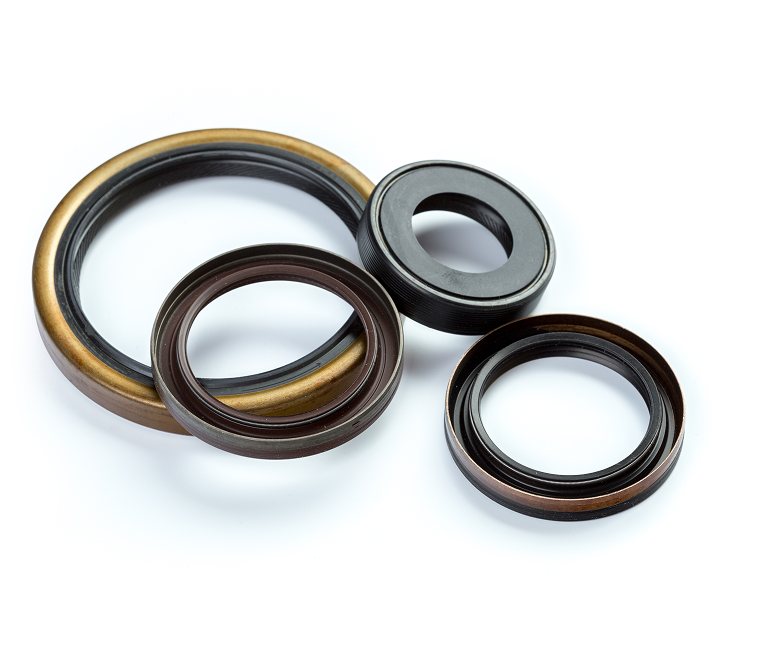
Sealing systems are core elements that prevent the leakage of fluids (oil, water, coolant, gas, etc.) and block external contaminants at the operating points of various machinery. By ensuring stable lubrication, pressure, and flow, they reduce friction and maintain overall system performance and durability. Sealing technology is an essential foundation for machinery operation across diverse industries.
The technology has evolved from simple oil leak prevention into a sophisticated system technology. It now precisely controls complex conditions such as high temperature, high pressure, high-speed rotation, low-viscosity lubricants, and various chemical fluids. This evolution directly contributes to maintaining equipment performance, preventing failures, and enhancing energy efficiency.
With the advancement of high-power, lightweight, and reliable machinery, the required performance range for sealing components is broadening. We will continue to advance our products—including oil seals, O-rings, and gaskets—to meet specific requirements for heat resistance, pressure resistance, chemical resistance, and tribological (friction/wear) characteristics.
Sealing Products
Electrification
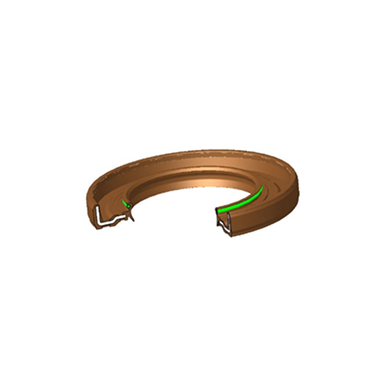
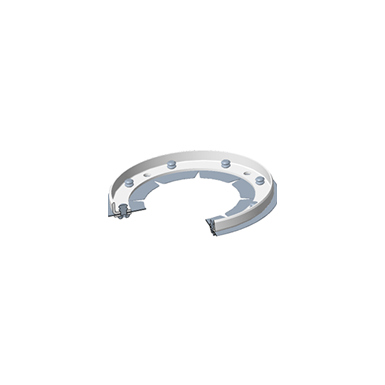
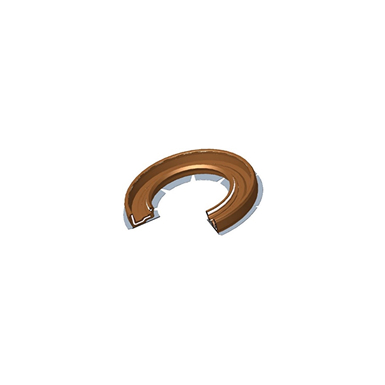
Our products are engineered to maintain the performance of EV Power Electronics (PE) systems. The MOTOR SHAFT SEAL ensures motor durability and efficiency by providing stable sealing even in ultra-high-speed rotational environments. The SHAFT GROUND RING and SHAFT GROUND SEAL prevent bearing damage and electrical failures by effectively managing shaft currents. By providing a stable electric discharge path, they significantly extend the motor's operational lifespan.
Motor Shaft Seal
Shaft Ground Ring
Shaft Ground Seal
ENGINE
Various sealing products are essential for maintaining the stable operation of engine systems. The ENGINE FRONT/REAR SEALS, installed on the engine block, prevent internal oil leakage and protect the system from external dust intrusion. The VALVE STEM SEAL, installed on the engine valve guide, regulates the amount of engine oil entering the combustion chamber through the valve stem. This critical function maintains combustion efficiency, controls emissions, and extends engine longevity.
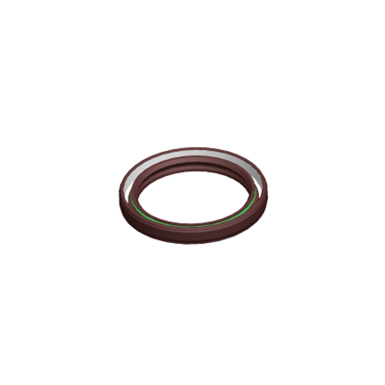
Engine Front Seal
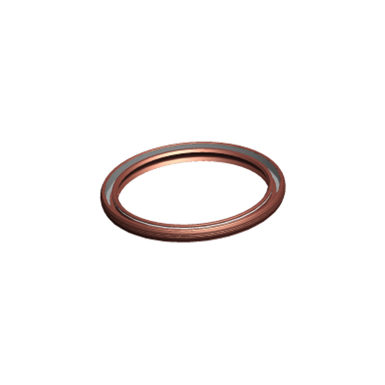
Engine Rear Seal
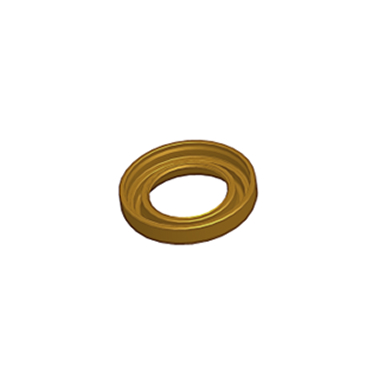
Plug Tube Seal
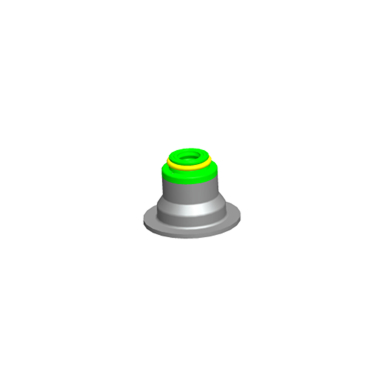
Valve Stem Seal
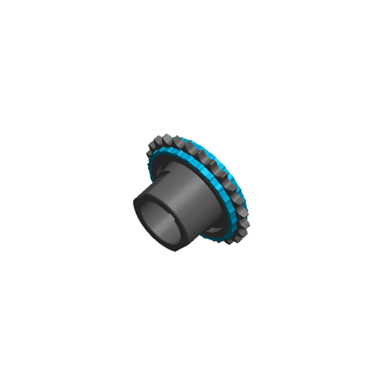
Rubber Coated
Sprocket
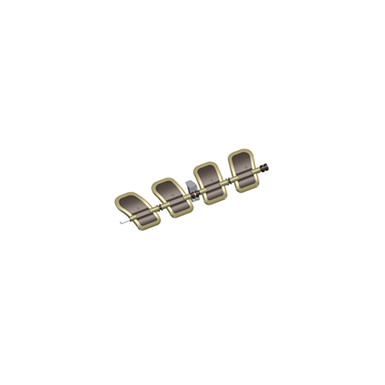
Vis Valve
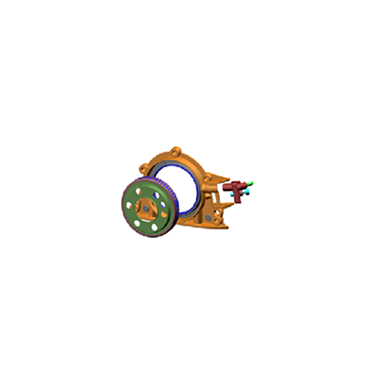
Case Seal
TRANSMISSION
Sealing products for the transmission ensure stable power transfer and smooth gear shifting. The INPUT SHAFT SEAL and DIFF SIDE SEAL are mounted on the transmission case to prevent internal oil leakage and block external dust ingress from the input and output shafts. To ensure precise gear shifting, components such as the BALANCE CANCELLER SEAL, BONDED PISTON SEAL, and PEEK SEALING are used. These parts are critical for hydraulic pressure maintenance, enabling the system to operate reliably under various driving conditions.
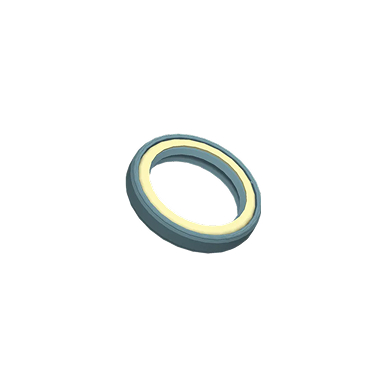
Input Shaft Seal
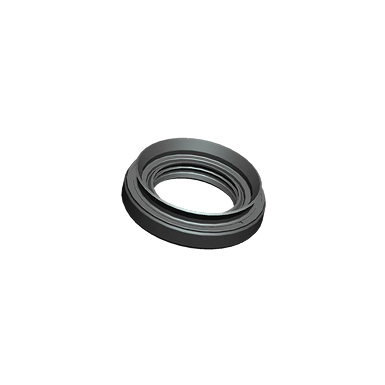
Close Diff Side Seal
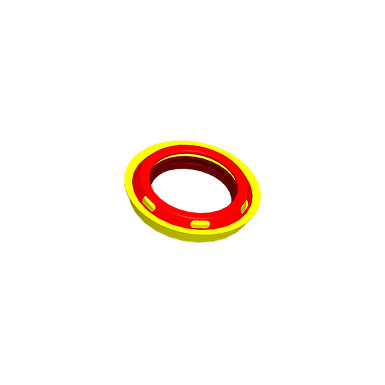
Open Diff Side Seal
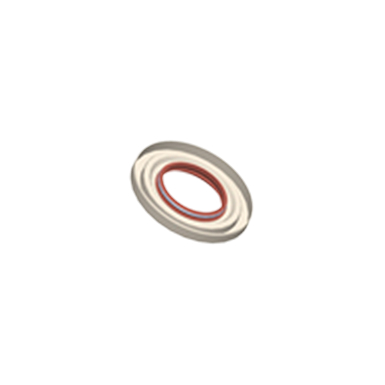
Axle Seal
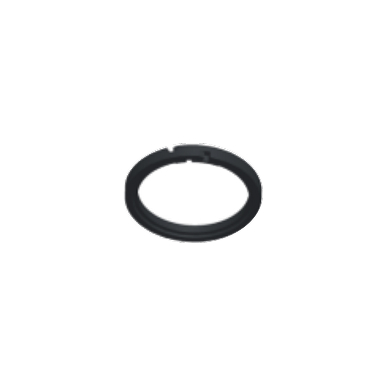
Peek Sealing
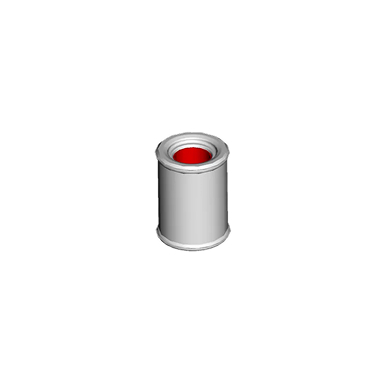
Pipe Seal
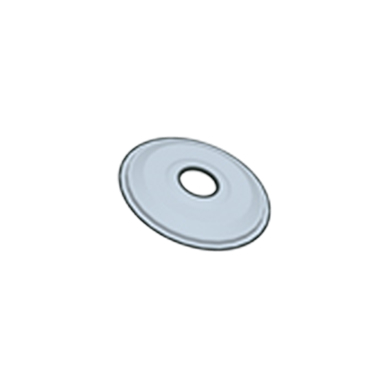
Balance Canceller Seal
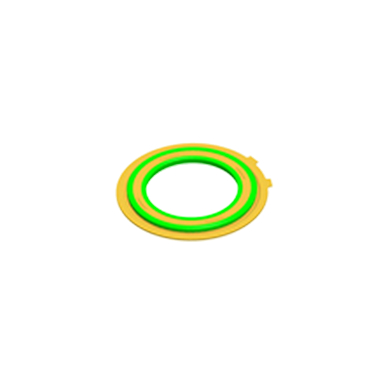
Bonded Piston Seal
CHASSIS
The SHOCK ABSORBER SEAL is a critical component within the automotive suspension system. It is mounted between the inner surface of the shock absorber and the outer surface of the piston rod to prevent oil leakage and block the ingress of contaminants. By ensuring a perfect seal, it plays a vital role in maintaining the system’s damping performance and long-term durability, ensuring a stable and comfortable ride.
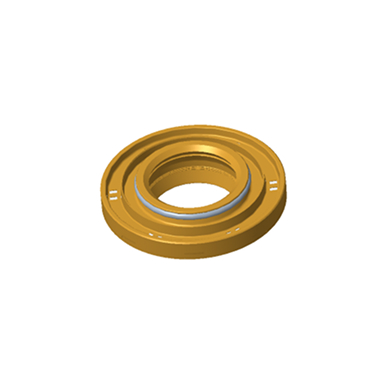
Shock Absorber Seal
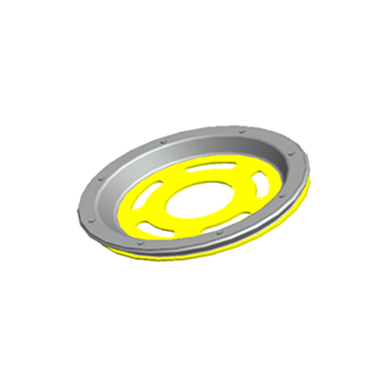
Pilot Valve Seal
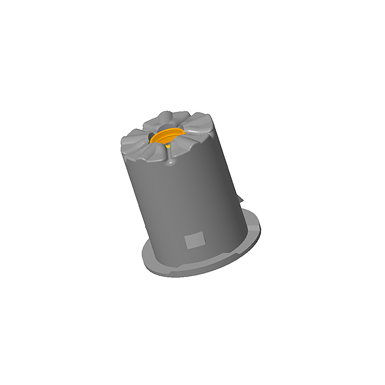
Dust Cap & Seal Assembly